Quick answer
A one-of-a-kind pottery piece is shaped and painted by hand, so no two are identical: you can see slight asymmetry, variation in the glaze and the marks of the maker. To buy well, check for a base that doesn't wobble, a fully glazed surface wherever food touches, a clearly stated food-safe glaze, and photos of the exact piece you will receive.
- Handmade pieces vary slightly in shape, weight and colour. That variation is the point.
- Ask whether the photo shows the exact piece, or one like it.
- For food and drink, look for a stated food-safe, lead-free glaze.
- Handmade costs more because each piece is shaped, cleaned, painted and fired twice by one person.
In this guide
Search for unique pottery online and you'll find thousands of listings that look handmade but come off a production line, sometimes with the same rustic wobble printed onto every piece. Real one-of-a-kind pottery is something else: an object one person shaped, cleaned and painted, which will never exist twice. Here is how to recognise it, judge it and look after it.
What one of a kind really means
One of a kind means there is no second copy. The maker may work in a series, making several cups of the same design, but because each one is formed and painted by hand, each one differs in its proportions, its brushwork and how the glaze settled in the kiln. That is different from handmade-style, where a factory reproduces the look of handmade work in identical batches.
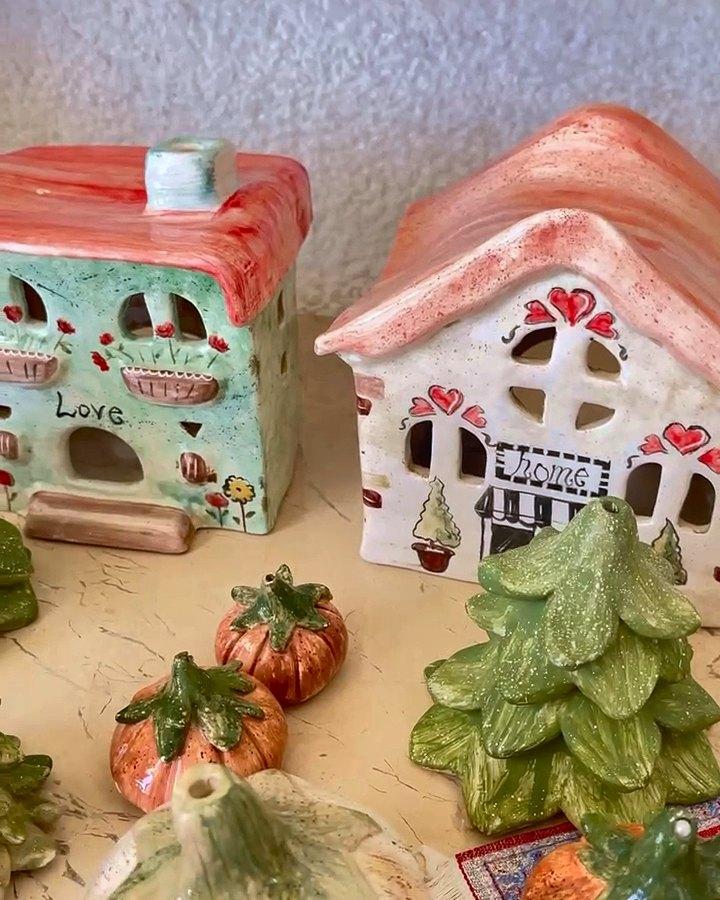
How to tell handmade pottery from mass-produced
| Look at | Handmade | Mass-produced |
|---|---|---|
| Shape | Slight asymmetry, softly uneven rims | Identical, machine-perfect |
| Walls and weight | Thickness varies a little, pieces feel substantial | Uniformly thin, every piece weighs the same |
| Decoration | Visible brushstrokes, lines drawn by hand, no two the same | Printed decals or sprayed patterns, perfectly repeated |
| Base | Cleaned by hand, sometimes signed or stamped | Cast foot ring, factory stamp or sticker |
| Seams | Hidden by hand, sometimes a faint trace | A thin mould line down the side |
| Glaze | Pools and thins naturally at edges and in texture | Even, flat and identical |
What to check before you buy
- 1
The photos
Ask if the photos show the exact piece you will get. For one-of-a-kind work they should.
- 2
The base
It should sit flat without rocking, and be smooth enough not to scratch your table.
- 3
The rim
Run a finger round it. A good rim is smooth and comfortable to drink from, with no sharp spots.
- 4
The glaze
Food-contact surfaces should be fully glazed, with no bare patches, pinholes or crazing.
- 5
Food safety
Look for a clear statement that the glaze is food safe and lead-free, plus care instructions.
- 6
Packing and returns
Handmade ceramics travel well only when packed with care. Check how the maker packs, and what happens if a piece arrives broken.
Why handmade pottery costs more
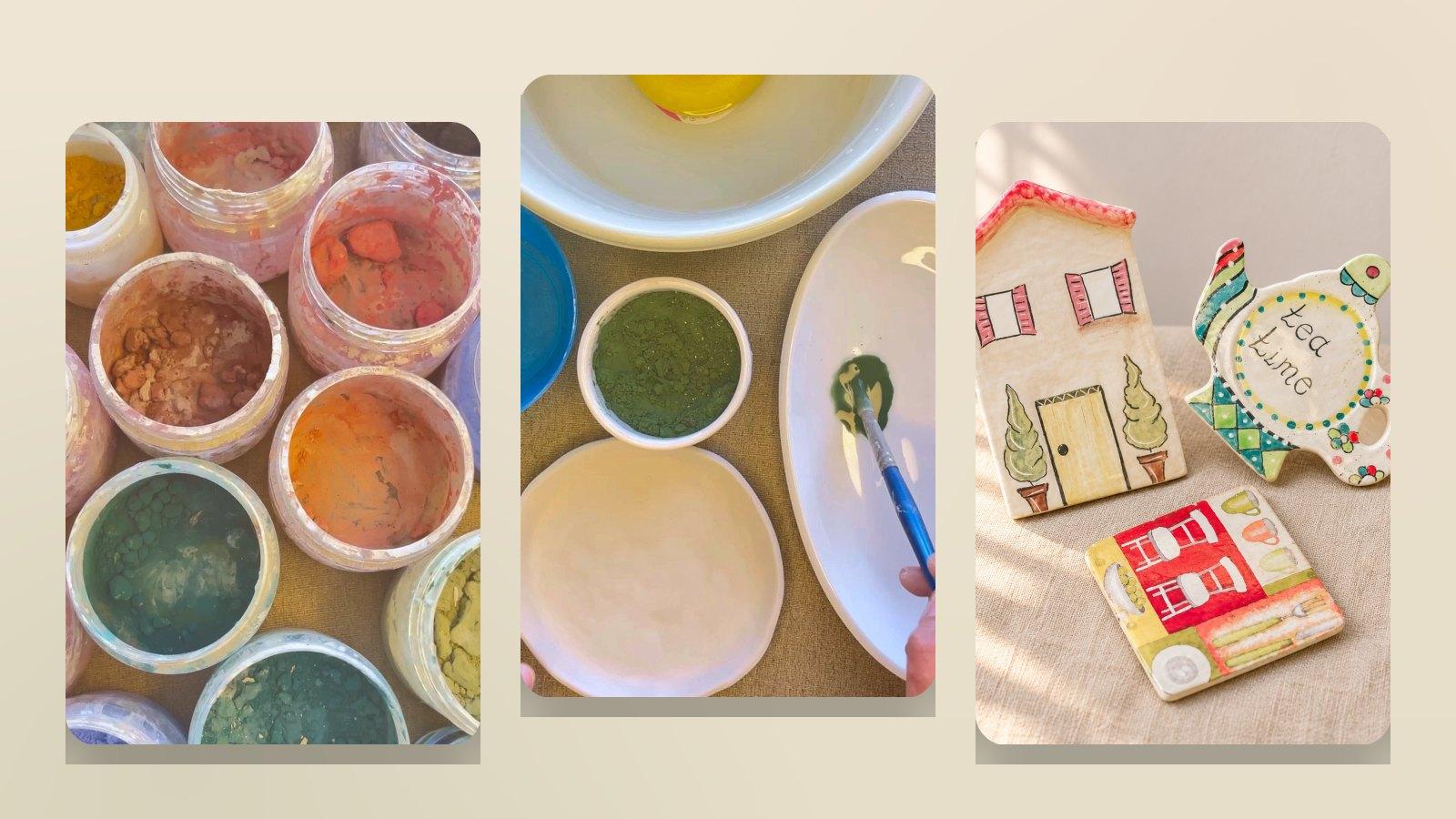
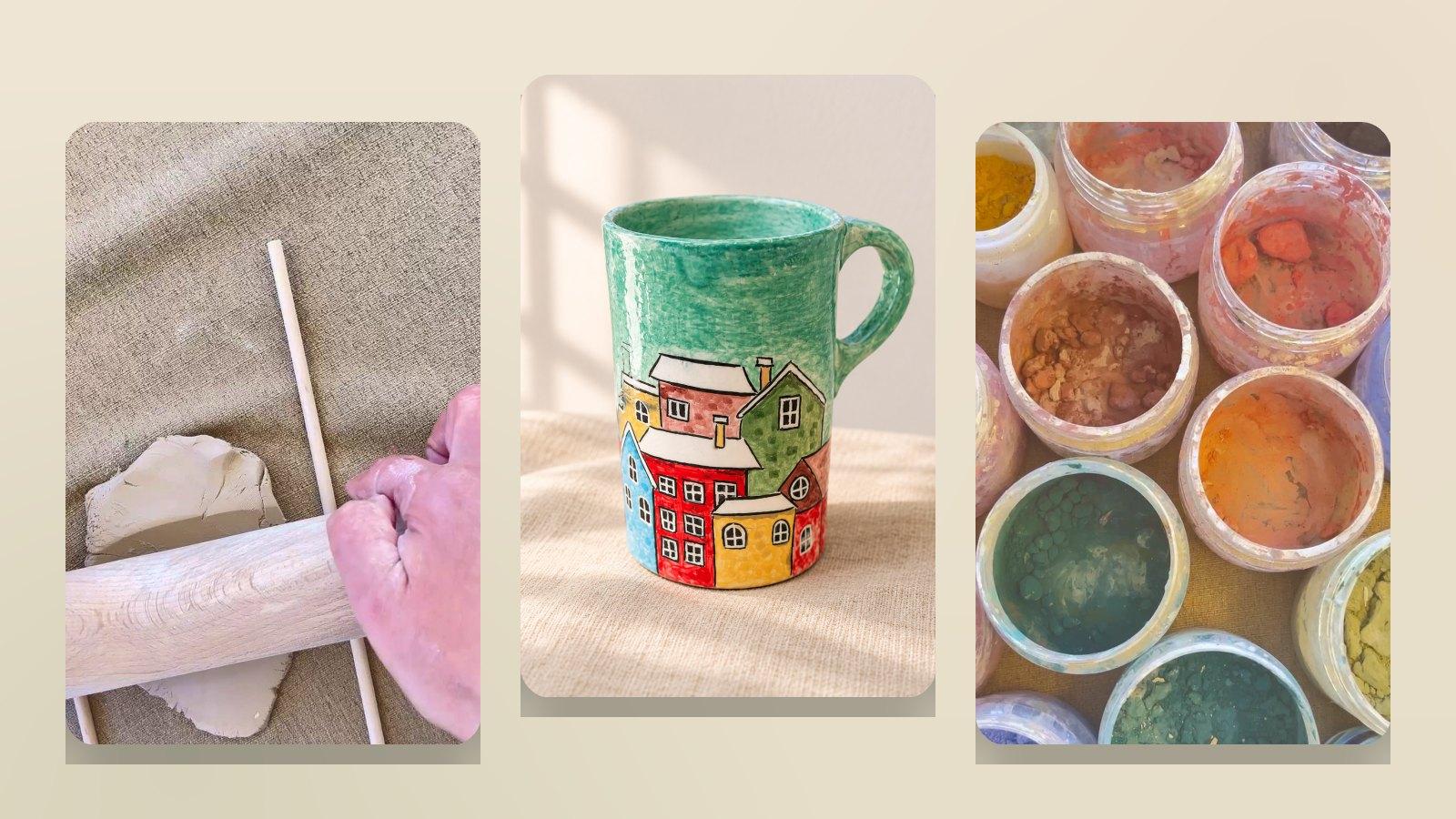
A single hand-built cup passes through a long chain of steps: rolling and cutting, joining and blending seams, a first drying, cleaning, a final drying, more cleaning, painting, packing, a bisque firing, glazing and a glaze firing. Some pieces crack along the way and never make it to sale. One person does every step.
Caring for handmade ceramics
- Hand-wash painted pieces in warm water with mild soap. It keeps colours bright for longer.
- Avoid sudden temperature changes. Don't pour boiling water into a cold cup or move a piece from the fridge to a hot oven.
- Dry unglazed bases before putting pieces away, so they don't trap moisture.
- Use felt pads under heavier pieces on delicate surfaces.
- Check before the microwave or dishwasher. Follow the care note that comes with each piece.
Handmade pottery as a gift
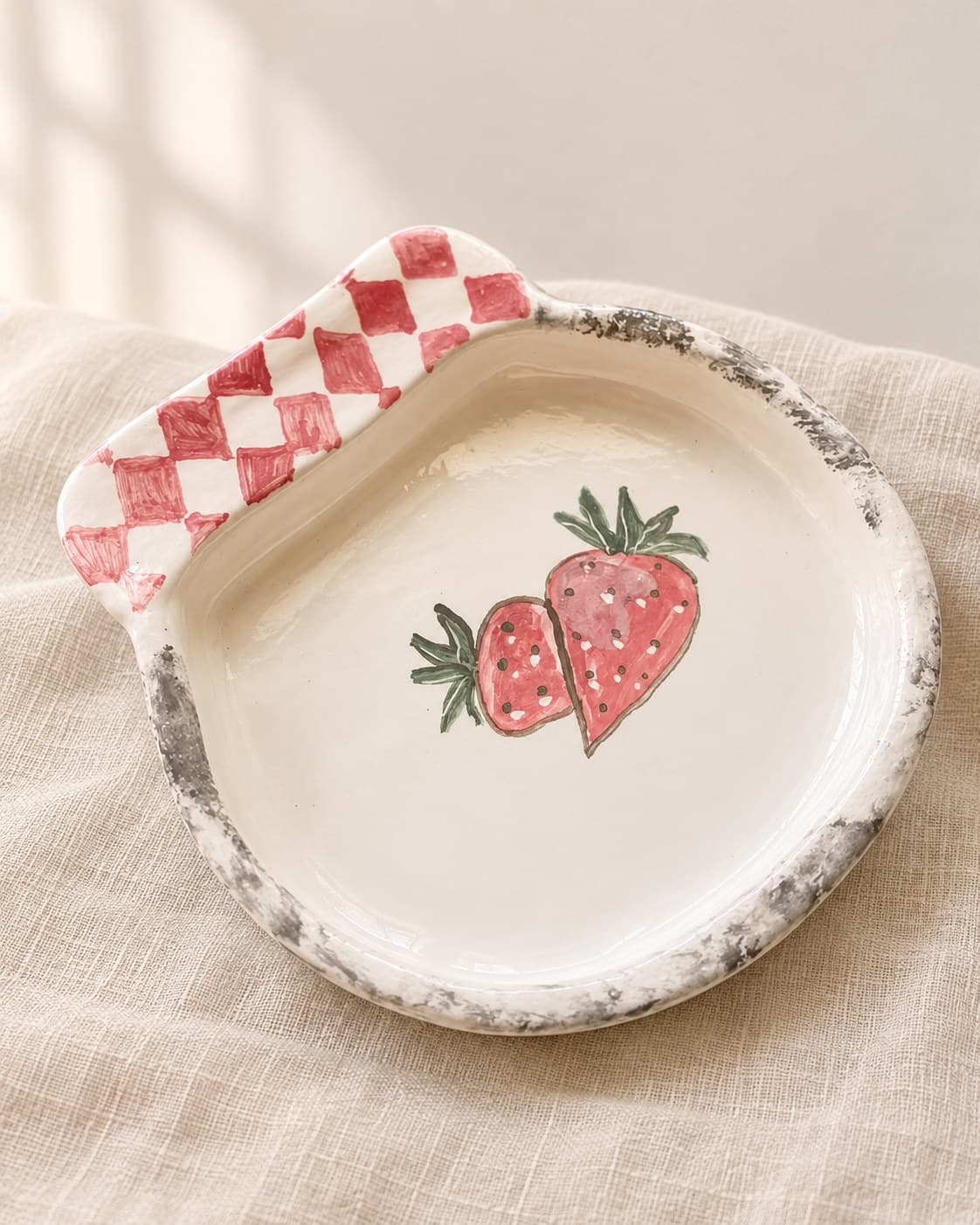
Handmade ceramics make some of the most personal gifts there are, precisely because nobody else will own the same one. A painted mug for a morning coffee, a small dish for jewellery or jam, a ceramic spoon set, or a candle holder that scatters light across a room. Choose something that will be used every day. That is what handmade pottery is for.
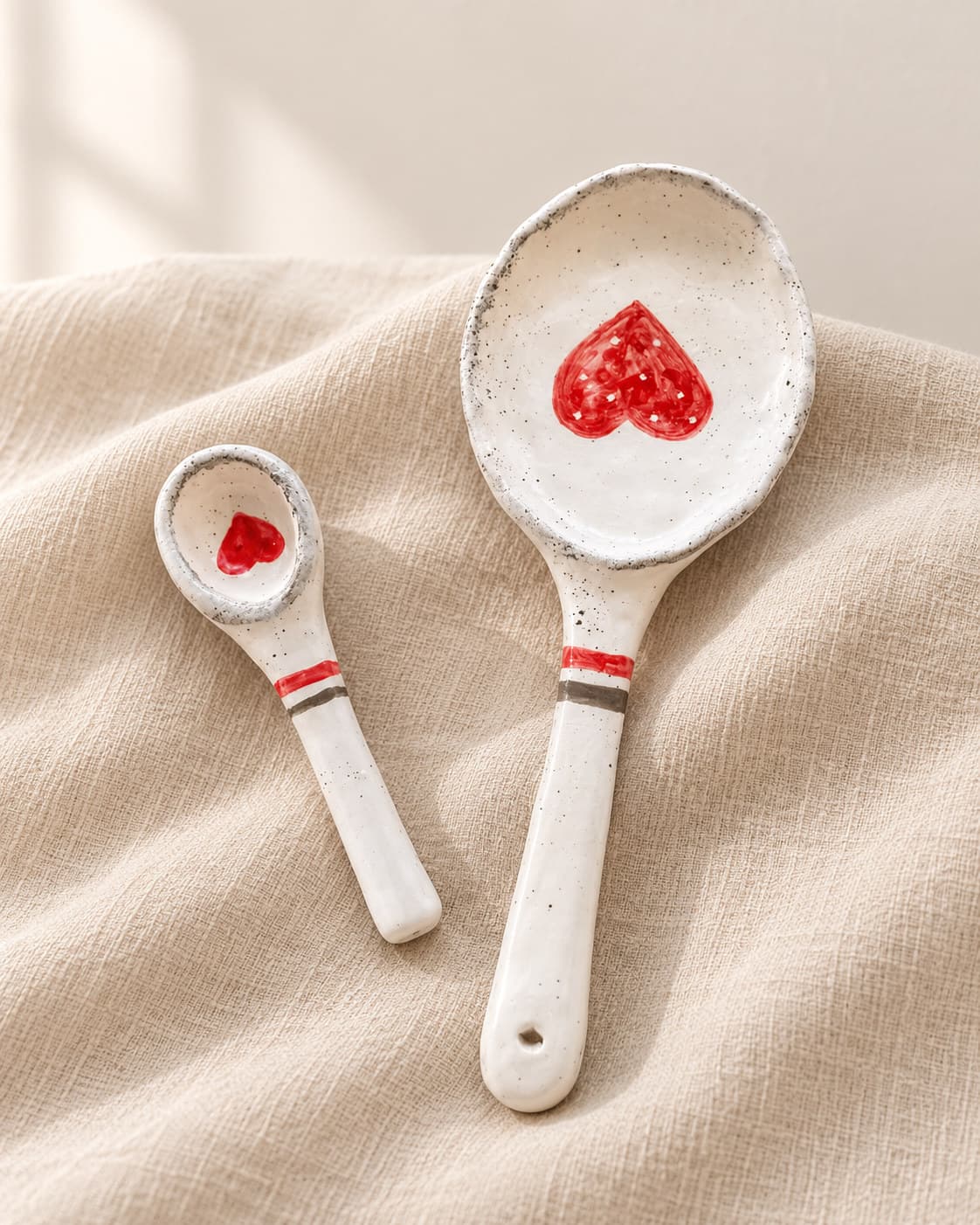
Pieces from Nariman's studio
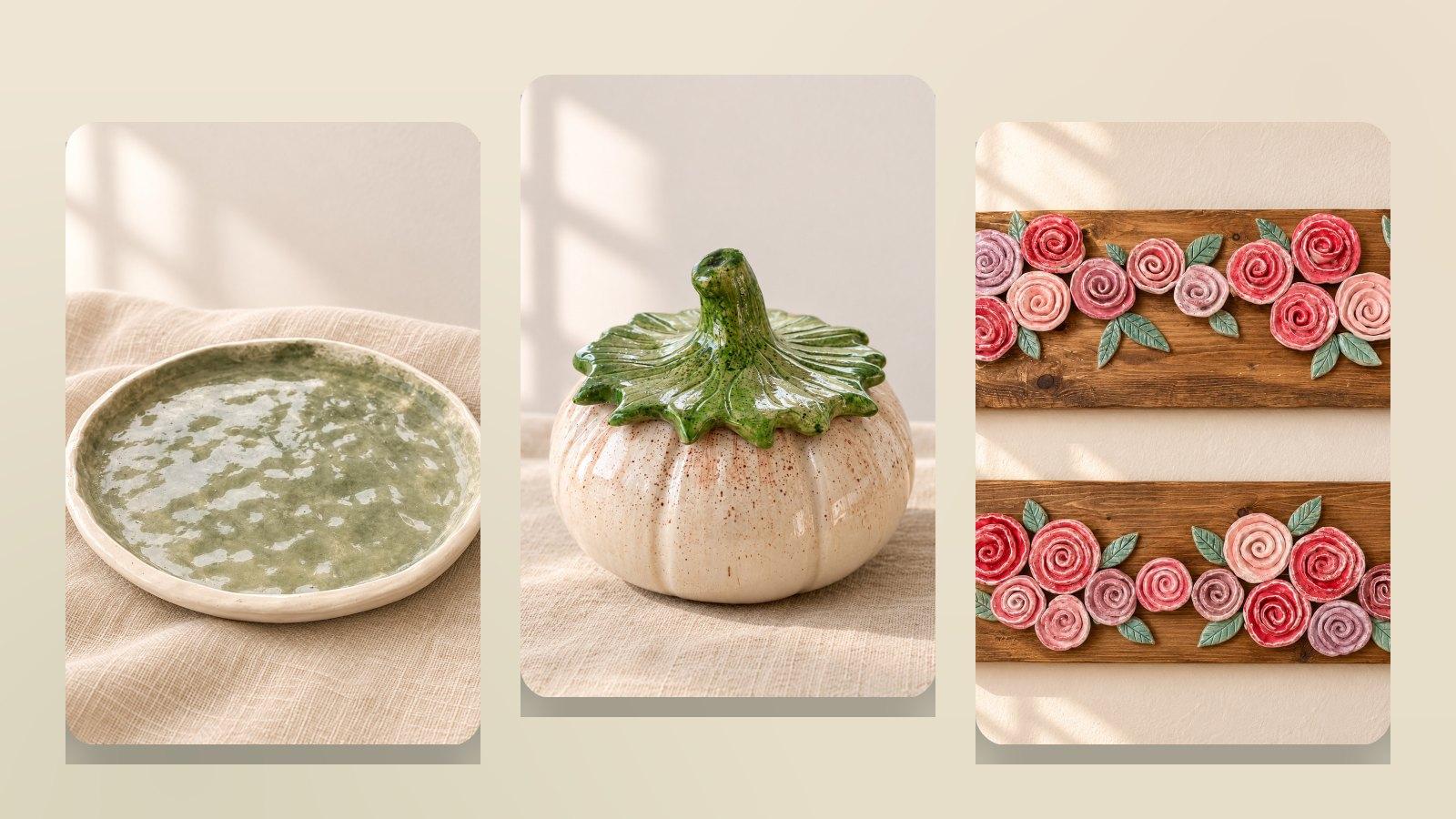
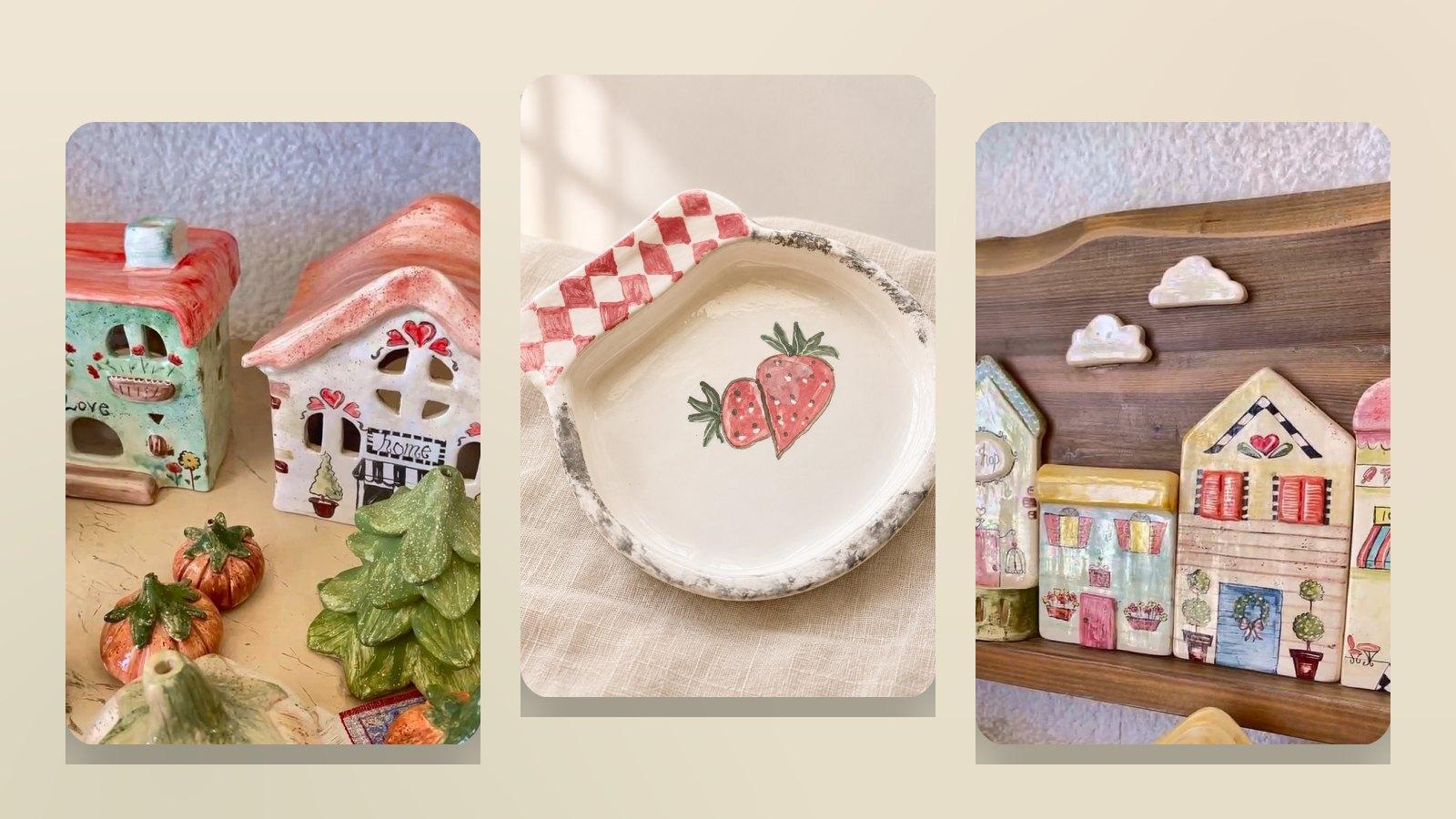
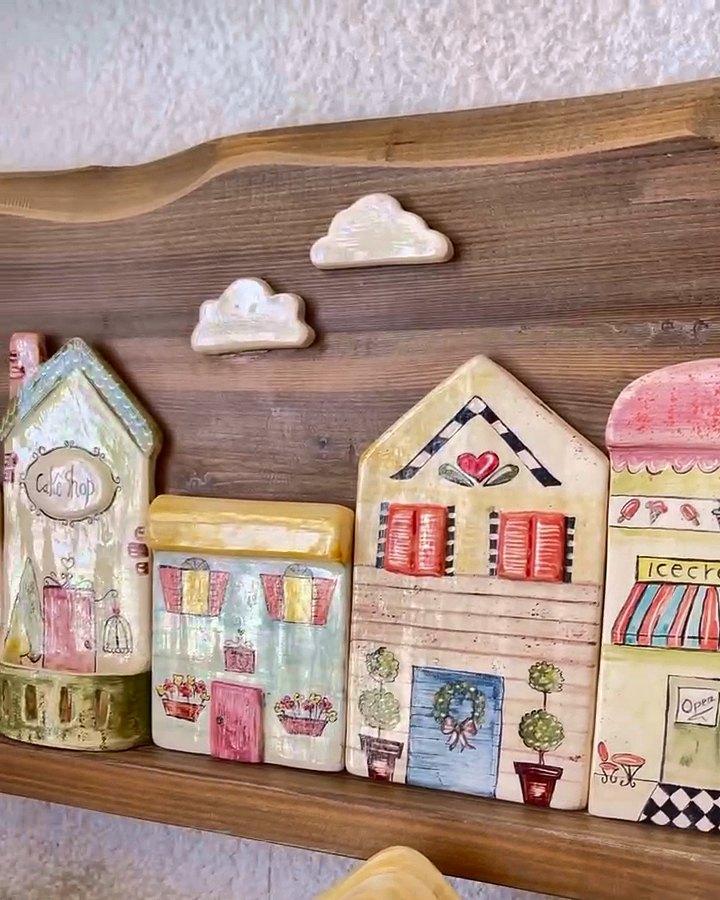
Nariman makes everything by hand from white clay: cups and bowls, painted plates, roses, candle houses and little pumpkins, in small batches where no two pieces are the same. Her shop is opening soon and will ship worldwide. Every food piece is finished with a food-safe glaze and comes with its own care note.
Or make your own one-of-a-kind pieces
If you would rather make pieces like these yourself, Nariman teaches the same hand-building methods in her Pottery for Beginners course: no wheel, no studio and no experience needed.
Frequently asked questions
How can I tell if pottery is really handmade?
Look for small irregularities: a rim that isn't perfectly level, walls that vary slightly in thickness, brushstrokes in the decoration, and a base that was cleaned by hand rather than cast. Factory pieces are identical, often have a mould seam, and are uniformly thin and light.
Is handmade pottery food safe?
It is when it has been fired properly and finished with a food-safe, lead-free glaze on every surface that touches food. A trustworthy maker will say so on the listing. Decorative or unglazed pieces should not be used for food.
Is handmade pottery dishwasher and microwave safe?
Often yes for well-fired stoneware, but it depends on the clay, glaze and decoration. Hand-washing always helps hand-painted pieces last longer. Never microwave a piece with metallic decoration. Follow the maker's care note for each piece.
Why is handmade pottery more expensive?
Every piece is rolled, shaped, dried, cleaned, painted, packed and fired twice, by hand, and some are lost in the kiln along the way. You are paying for hours of skilled work on a single object, not a share of a production line.
Where can I buy Nariman's pottery?
Nariman's shop opens soon, with small batches of hand-built pieces shipped worldwide. Join the waitlist on the shop page to see the first collection before anyone else.

About Nariman
Nariman is a hand-building potter in Jordan. She has taught her beginner course to students since 2022 and shares slow, quiet pottery and home videos on YouTube.