Quick answer
Yes, any piece you want to use with food, drink or water must be fired in a kiln, because unfired clay softens back into mud when it gets wet. You don't need to own one: most beginners pay a local studio to fire their pieces. Pottery is usually fired twice, first a bisque firing and then a hotter glaze firing.
- Unfired clay is fragile and dissolves in water. Firing turns it permanently into ceramic.
- Most pottery is fired twice: bisque, then glaze.
- A home oven can't fire clay. Kilns reach roughly 1,000 to 1,300°C.
- Pieces must be completely dry, no thicker than 2 to 2.5 cm, and vented if hollow.
In this guide
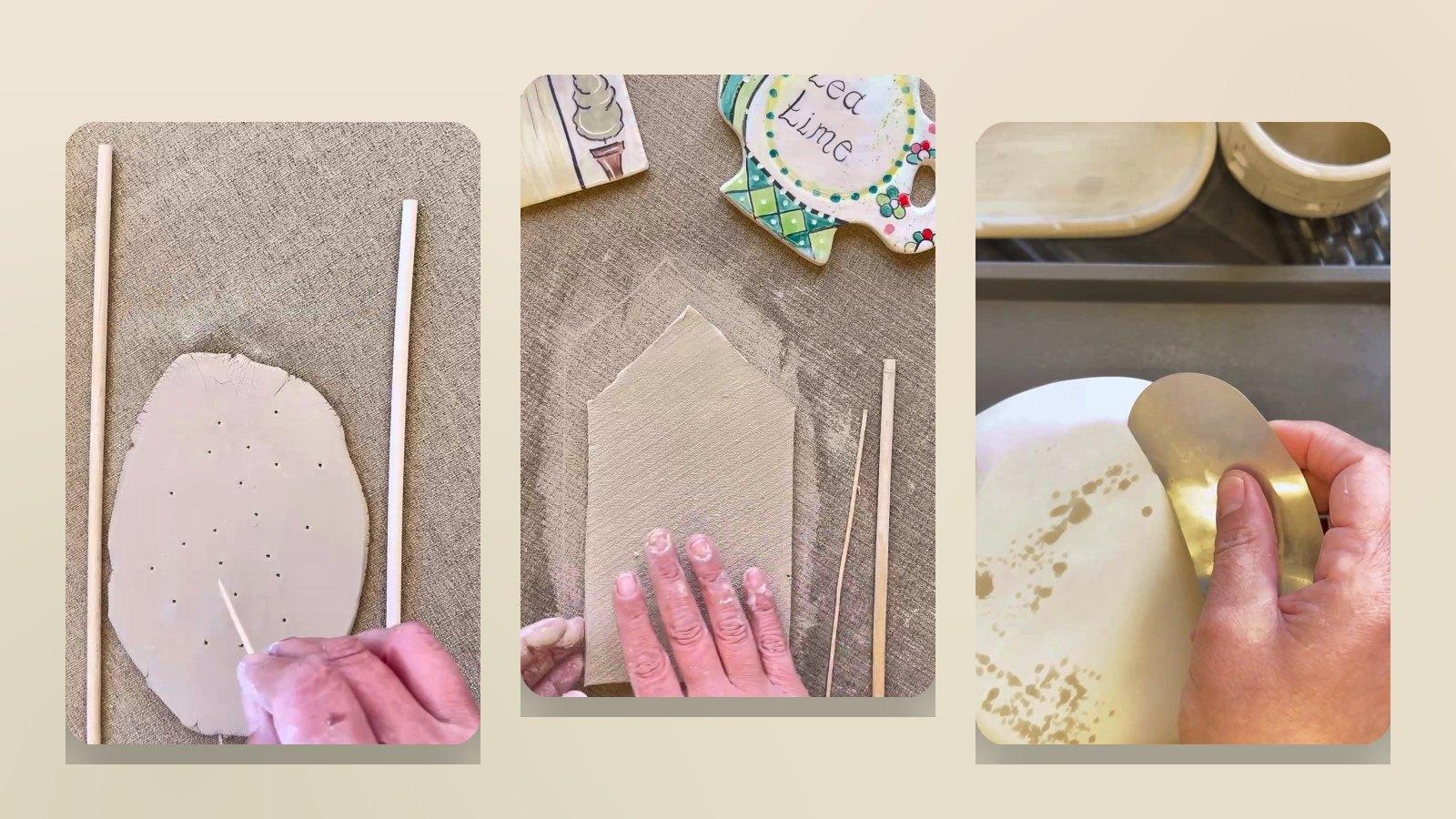
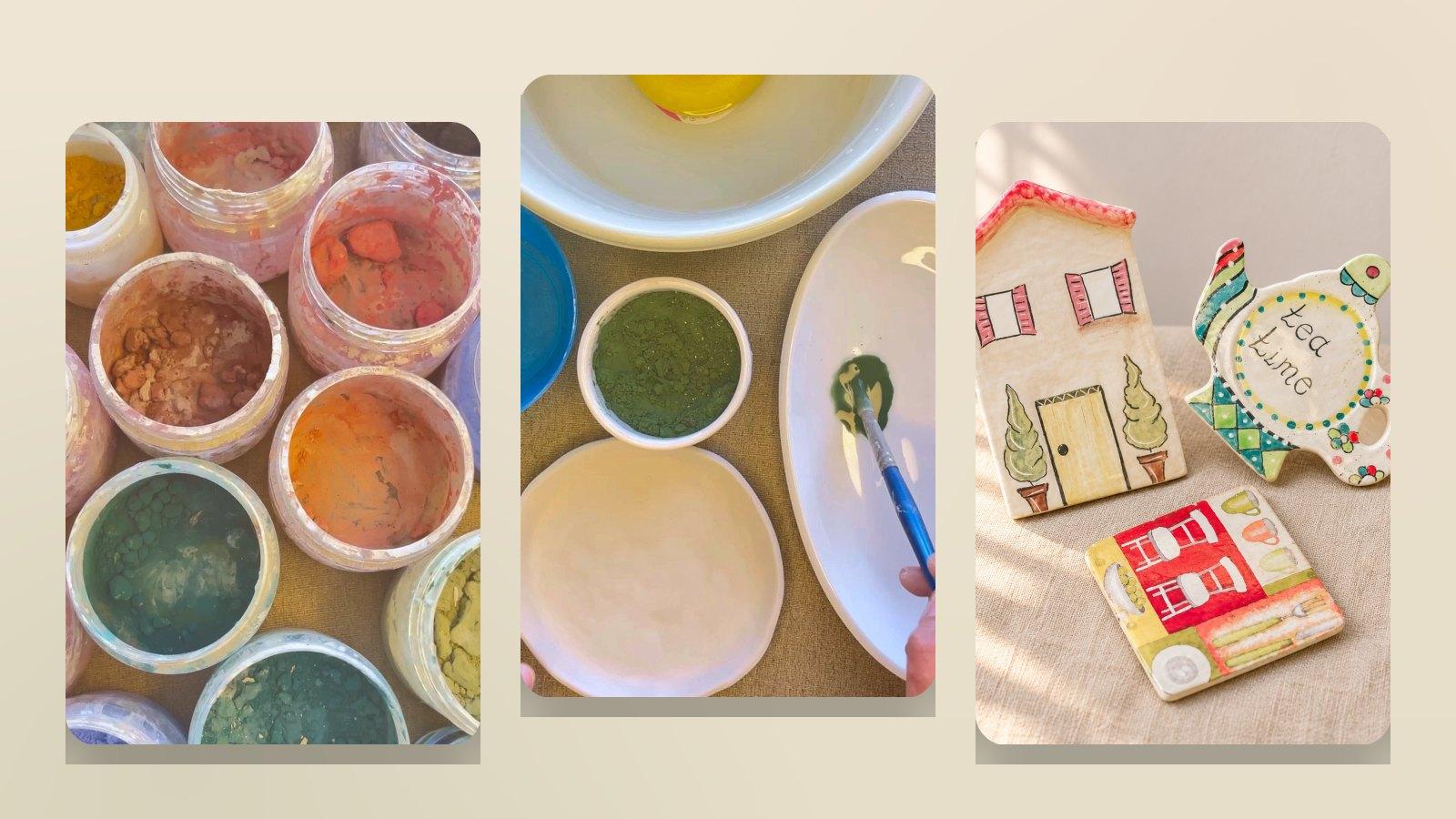
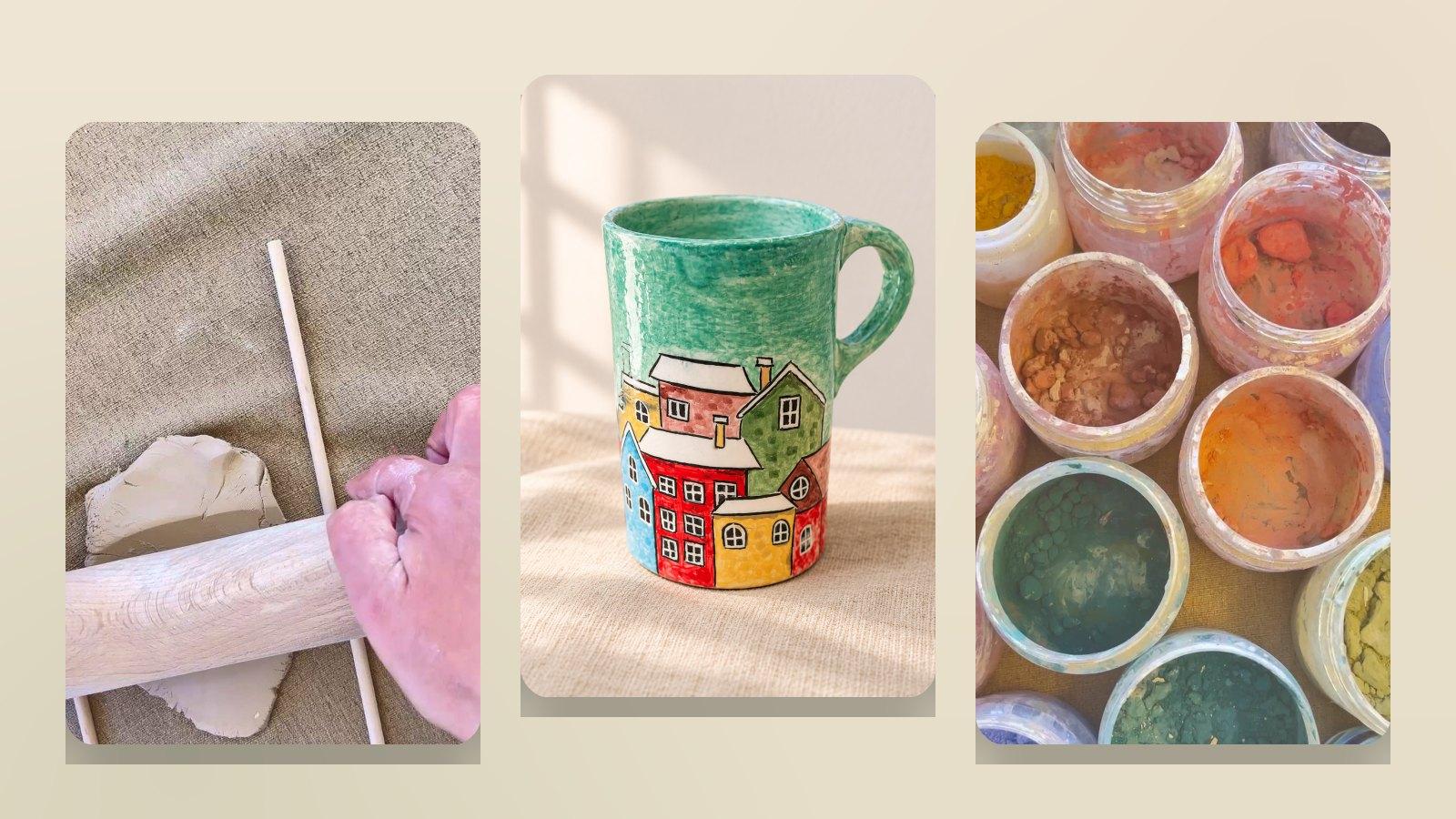
For many people, the kiln is the thing that stops them from starting pottery at home. It shouldn't be. You can learn to shape, clean and paint clay at your kitchen table and leave the firing to someone else. You just need to understand what happens in the kiln, so your pieces arrive ready for it.
Why clay has to be fired
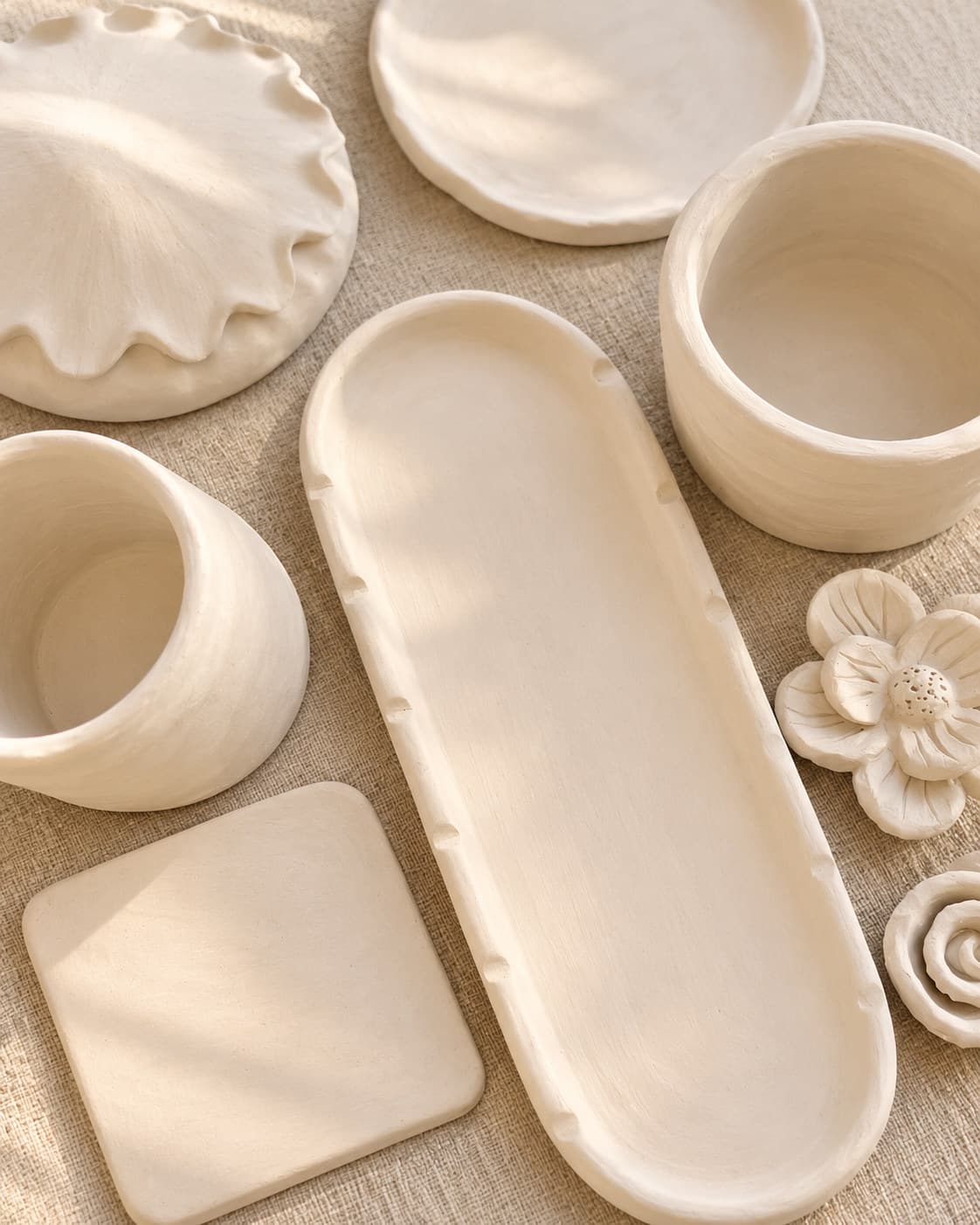
Firing is what turns clay into ceramic. Dried clay is still just compressed mud. Wet it and it softens. Drop it and it shatters into powder. As a kiln heats past about 600°C, the clay's chemistry changes permanently. Further up, its particles begin to fuse. The result is a hard material that will never turn back into clay.
Bisque firing vs glaze firing
| Firing | What it does | Typical temperature | Result |
|---|---|---|---|
| Bisque (first) firing | Drives out all water and hardens the clay | About 950–1,060°C | Bisque: hard, pale, porous, ready to glaze |
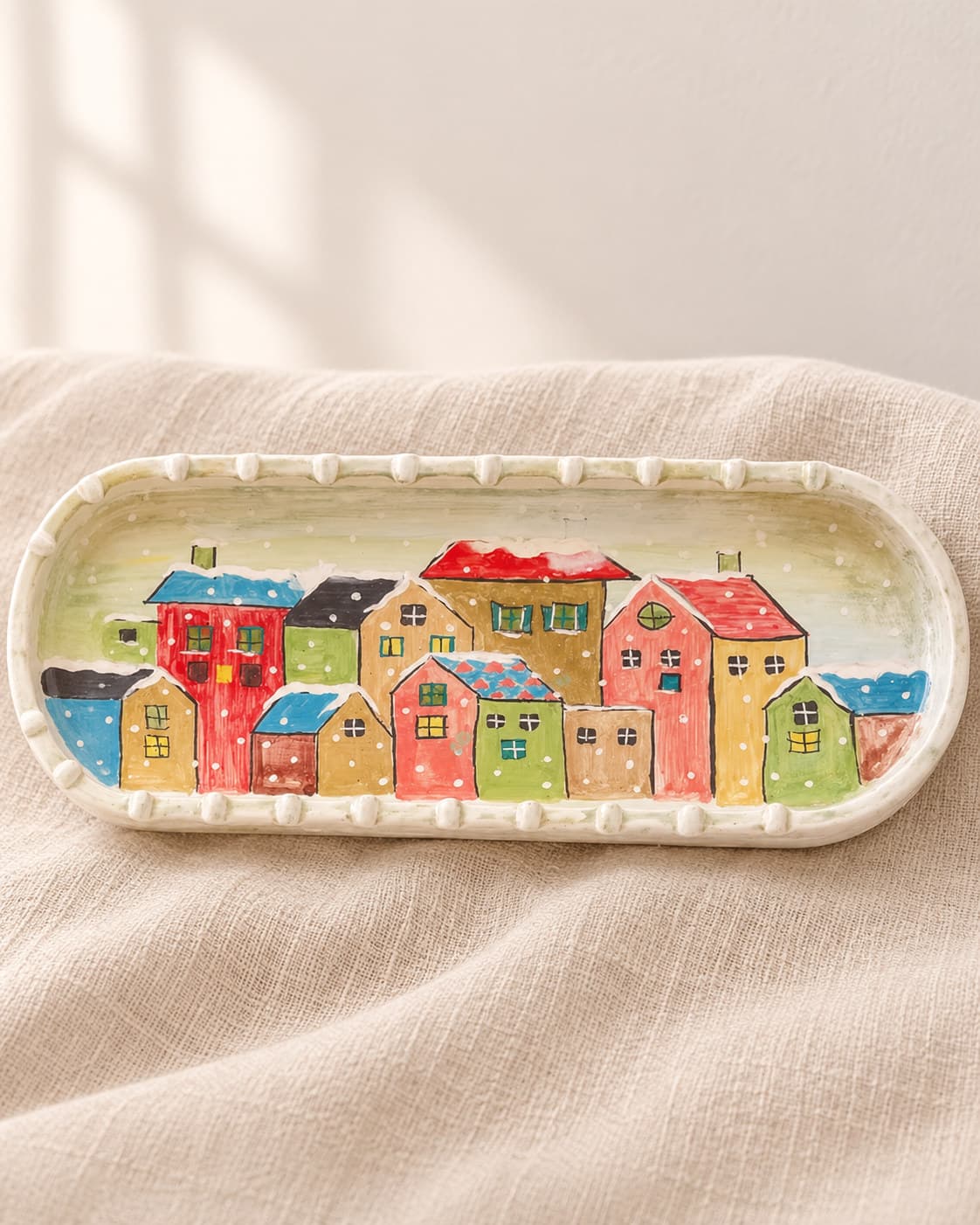
| Glaze (second) firing | Melts glaze into a glassy coating | About 1,000–1,150°C for earthenware, 1,200–1,300°C for stoneware | Finished, waterproof ceramic |
Clay and glaze labels often give the temperature as a cone number instead of degrees. The pottery glossary explains cones, vitrification and the other firing words in plain English.
How long does firing take?
A kiln is never switched straight to full heat. The temperature climbs gradually over many hours, so any last moisture can escape slowly. A typical firing takes around 6 to 12 hours, depending on the kiln and how full it is. Cooling takes just as long. Opening a kiln too early lets cold air hit hot pieces, and the sudden change, called thermal shock, can crack them.
How to get pottery fired without owning a kiln
- Community ceramic studios often fire outside work for a fee per piece, per shelf or by weight.
- Independent potters with their own kilns sometimes fire for local makers between their own loads.
- Schools, colleges and makerspaces may offer firing to the public or to members.
- Pottery supply shops often keep a list of who fires locally.
Before you make anything, ask the studio three questions: which clays they accept, which temperature they fire to, and whether they glaze pieces for you or expect them glazed already. Choose your clay to match.
Preparing pieces for the kiln
- 1
Make sure it's completely dry
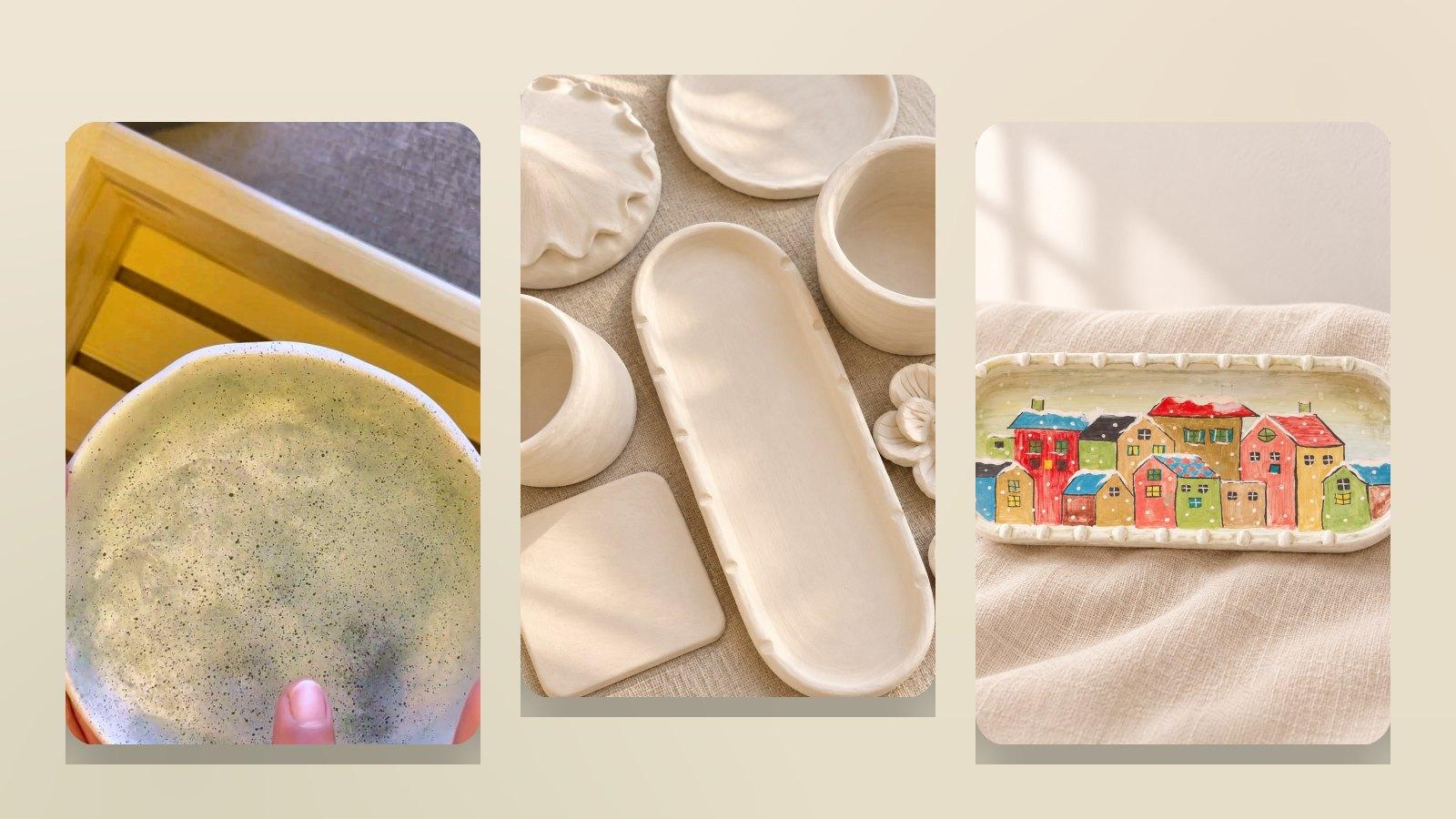
A bone-dry piece has turned from grey to white and feels noticeably lighter. If it still feels cool against your cheek, wait.
- 2
Check the thickness
No part should be thicker than 2 to 2.5 cm, including two layers joined together.
- 3
Vent hollow forms
Any enclosed space needs a small hole so trapped air can escape as it heats.
- 4
Clean it carefully
Level the base and tidy the rim, inside and outside. Marks left now show after firing.
- 5
Don't touch painted areas
Unfired colour is a fine powder and rubs off easily. Hold pieces by the unpainted parts.
Packing pieces to take to the kiln
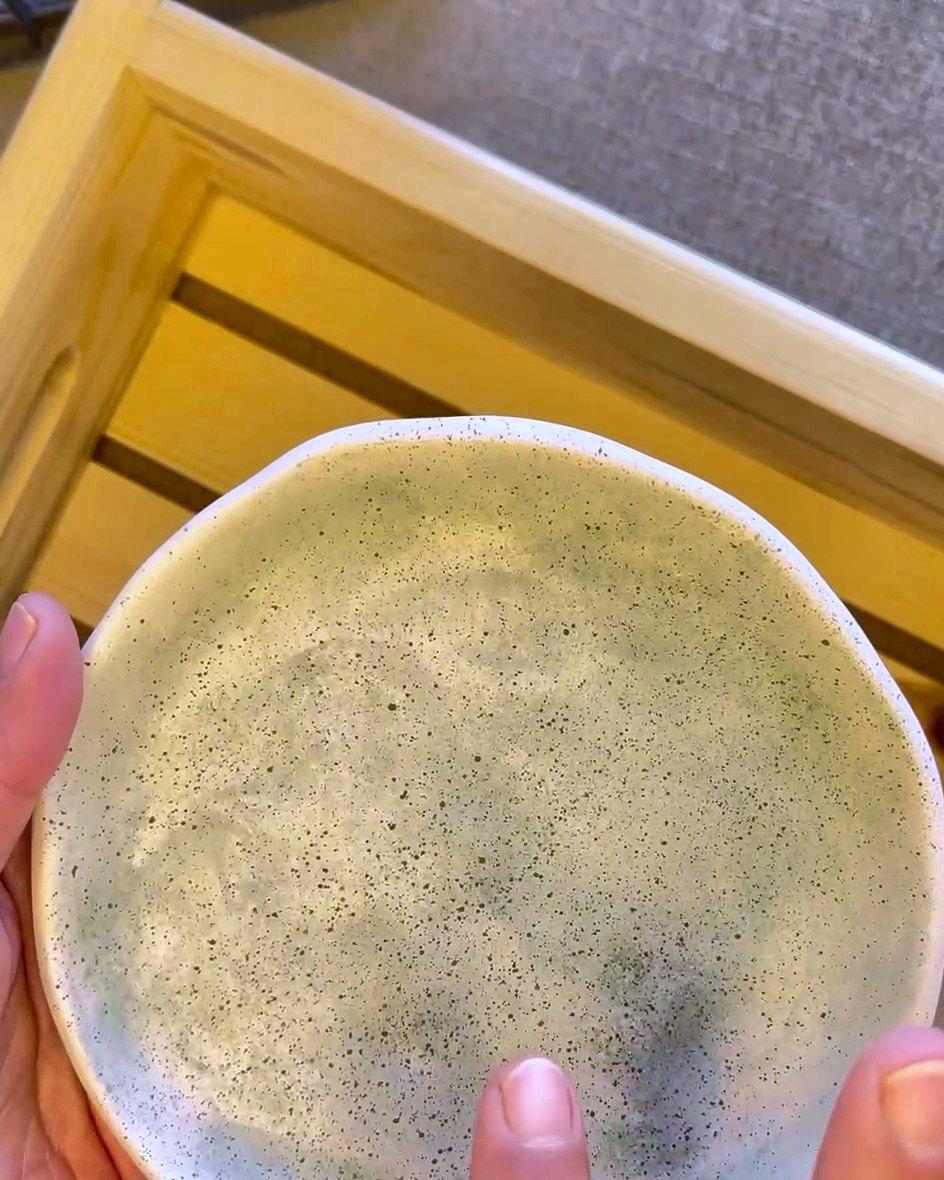
Dry, unfired pottery is at its most fragile. Nariman packs hers in a wooden or plastic box, with foam, cardboard or newspaper between every piece, and a layer of foam before anything is stacked on top. Fill every gap so nothing can slide. And if you are driving them over yourself, take it slowly.
Should you buy a home kiln?
Small electric kilns are made for homes, and they are worth it once you fire regularly. Before buying, check that your electricity supply can handle it, that you have a ventilated space away from anything flammable, and that you are comfortable with the running costs. Until then, a studio is cheaper and teaches you a lot about firing from people who do it every week.
Alternatives to kiln firing
| Option | What it is | Food safe? |
|---|---|---|
| Air-dry clay | Clay with binders that hardens as it dries | No, decorative only |
| Polymer (oven-bake) clay | A plastic modelling compound cured in a home oven | No |
| Pit or barrel firing | Outdoor firing in a pit of burning sawdust and wood | Usually not |
| Raku | A fast, dramatic firing with pieces pulled out red-hot | Usually not |
Once your pieces come out of the bisque firing, the next step is colour and glaze. Read glazing basics for beginners. Nariman's Pottery for Beginners course ends with lessons on packing, kilns and firing, so you know exactly what to ask your studio.
Frequently asked questions
Can you fire pottery in a home oven?
No. Home ovens reach around 250 to 290°C. Clay needs roughly 1,000°C or more to become ceramic. Oven-bake clays exist, but they are polymer clay, a type of plastic, not pottery, and are not food safe.
How hot does a pottery kiln get?
Bisque firings usually reach about 950 to 1,060°C. Glaze firings range from about 1,000°C for earthenware up to around 1,300°C for stoneware and porcelain. Your clay's label states the right temperature.
How many times is pottery fired?
Usually twice. The bisque firing hardens the clay, and the glaze firing melts the glaze into glass. Some potters fire a third time to add overglaze decoration such as gold lustre.
Can I make pottery without a kiln?
You can shape, dry and decorate without one, then take your pieces to a studio for firing. For purely decorative work you can use air-dry clay, which hardens in air but is never waterproof or food safe.
Why did my piece crack or explode in the kiln?
Usually because it wasn't fully dry, was too thick, or had air trapped inside a closed form. Water and air turn to steam and expand. Dry pieces completely, keep them under 2 to 2.5 cm thick, and vent any hollow parts. More in why pottery cracks.

About Nariman
Nariman is a hand-building potter in Jordan. She has taught her beginner course to students since 2022 and shares slow, quiet pottery and home videos on YouTube.